
Unlocking Your Backyard's Potential: A Guide to Building a Laneway House in Toronto
Across Toronto, from the Beaches to Etobicoke, a new type of home is transforming our neighbourhoods: the laneway house. These small, detached homes built in the backyards of existing properties are more than just a trend; they represent a smart solution to urban living. Whether you're looking to generate rental income, create a private space for family members, or build a unique home office, a laneway suite offers incredible flexibility and value. But where do you start? The process can seem daunting, involving zoning bylaws, permits, and complex construction logistics. This guide will walk you through the key steps of building your dream laneway house, turning a complex project into an achievable goal.
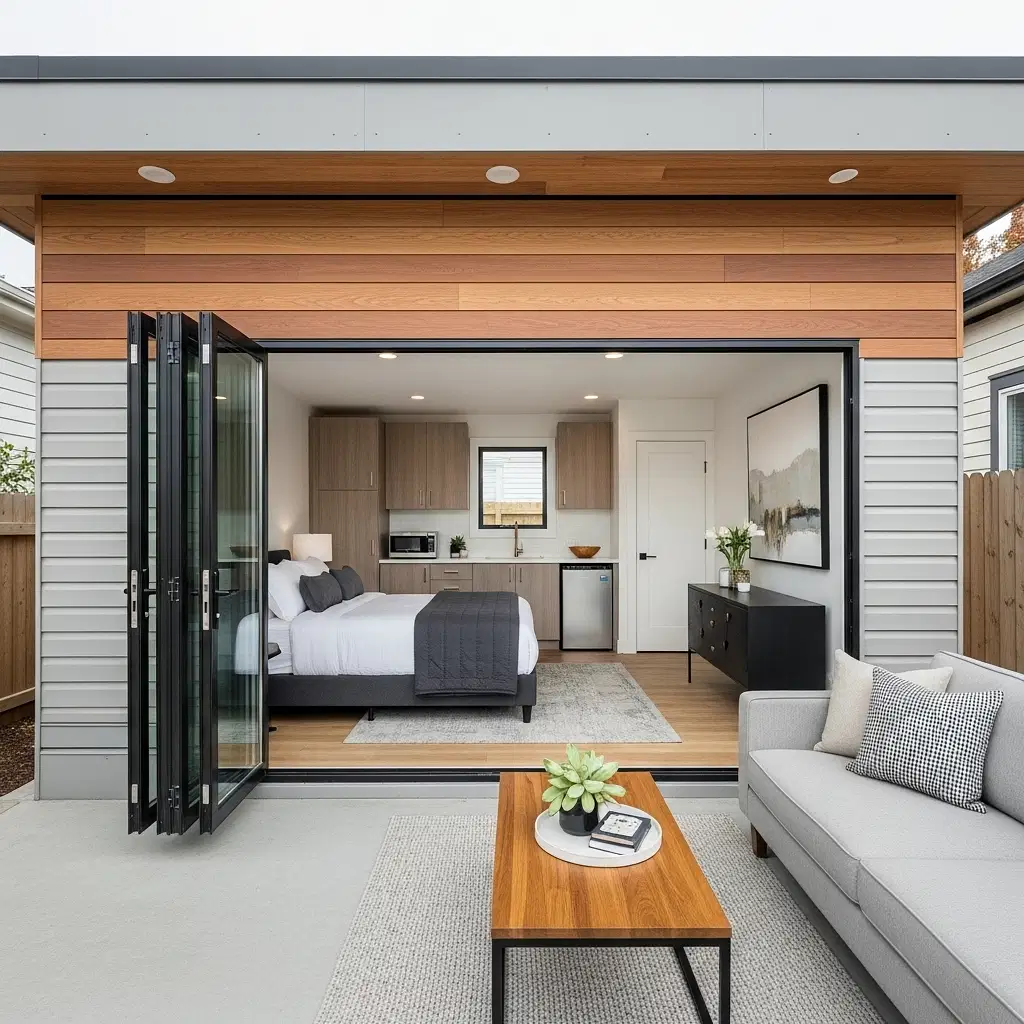
Step 1: Determining Your Property's Eligibility
Before you start dreaming up designs, the first crucial step is to confirm if your property qualifies for a laneway house. The City of Toronto has specific zoning bylaws to ensure these structures fit seamlessly into existing communities. Here are the primary factors to consider:
- Access: Your property must back onto a public laneway that is at least 3.5 metres wide. Emergency services, like fire trucks, need to be able to access the suite.
- Lot Size and Setbacks: There are rules governing the size of the laneway house relative to your main house and the overall lot. You'll also need to maintain specific distances (setbacks) from your property lines and the main dwelling.
- Parking: While not always required, parking considerations can influence the design and placement of your suite.
- Utility Connections: You'll need to plan for connecting essential services like water, sewage, and hydro. This often involves trenching from the main house, which requires careful planning.
Navigating these regulations can be one of the most challenging parts of the project. Working with an experienced general contractor who understands the local requirements is essential to avoid costly delays and ensure your project starts on solid ground.
Step 2: The Design and Permitting Maze
Once you've confirmed your property is a good candidate, the creative process begins. This is where your vision for a functional, beautiful space comes to life. The design phase is a collaboration between you, your designer or architect, and your builder.
Key considerations during design include:
- Layout: How can you maximize space in a smaller footprint? Popular designs often feature an open-concept living area on one floor with bedrooms on another.
- Natural Light: Clever placement of windows and skylights can make a compact space feel bright and airy.
- Privacy: The design should respect both your privacy and your neighbours'.
After finalizing the design, the next hurdle is securing the building permit. This involves submitting detailed architectural and engineering drawings to the city for review. The application must demonstrate full compliance with the Ontario Building Code and local bylaws. In some cases, if your design requires minor deviations from the zoning rules, you may need to apply for a minor variance through the Committee of Adjustment. This is where professional project management services become invaluable, as an experienced team can manage the complex paperwork and communication with city officials, ensuring a smoother approval process.
Step 3: Budgeting and Construction
Understanding the costs associated with a laneway suite is critical for successful planning. While every project is unique, the budget typically breaks down into several key areas:
- Soft Costs: These include fees for architectural design, engineering, surveys, and city permits.
- Hard Costs: This is the largest portion of the budget, covering all labour and materials for the actual construction—from the foundation to the finishing touches like flooring and paint.
- Servicing Costs: The cost to connect hydro, water, and sewer lines can vary significantly depending on the complexity of the connection.
It's important to get a detailed, transparent quote from your contractor that outlines all anticipated expenses. Be prepared for potential fluctuations in material costs, a common challenge in the current market. Once the permits are in hand and the budget is set, construction can begin.
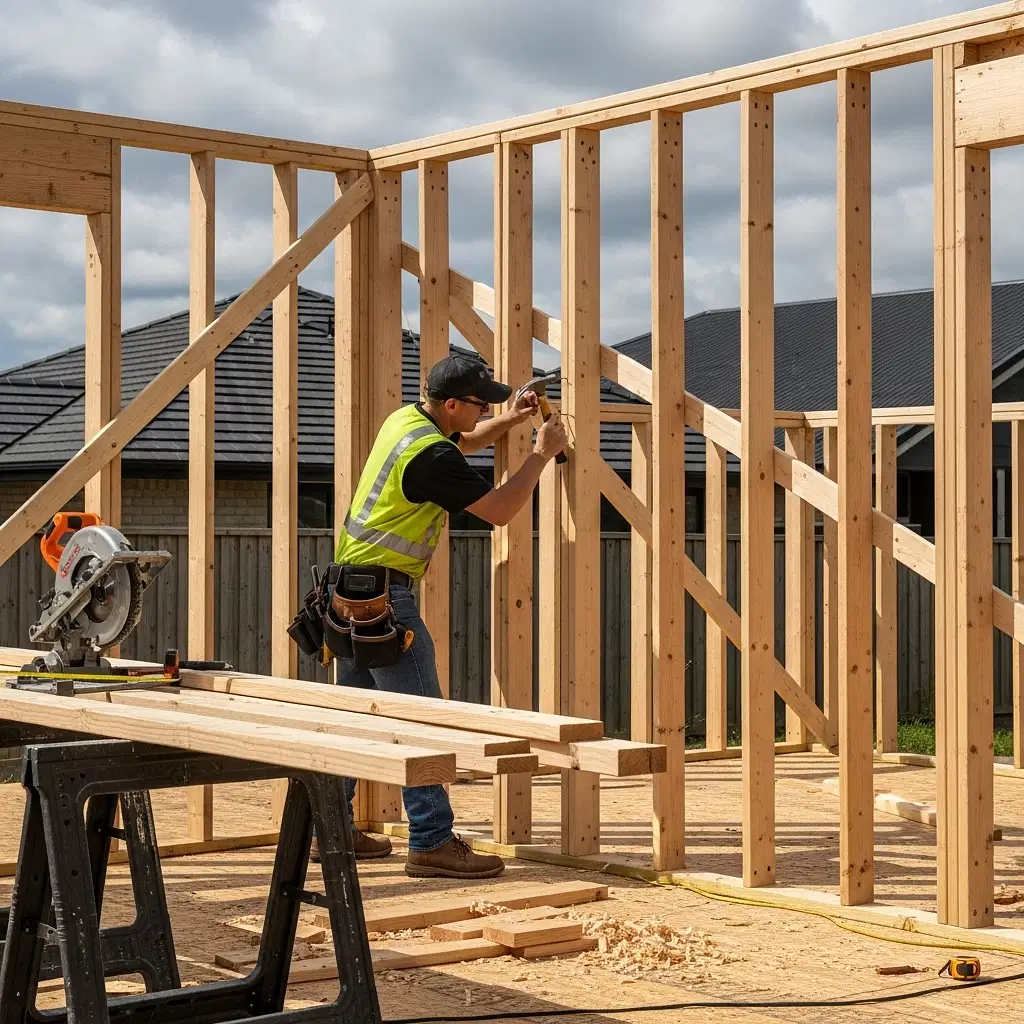
This is the most exciting phase, as you watch your vision become a reality. A well-managed build involves coordinating a team of skilled tradespeople, from excavators and framers to electricians and plumbers. At Hillpark Manor Construction, our commitment to craftsmanship and professionalism means we use experienced carpenters and a network of trusted subcontractors to ensure every detail is executed to the highest standard. We believe clear, consistent communication is key to a stress-free experience, keeping you informed at every stage of your custom home build.
Your Partner in Building Your Laneway Dream
A laneway house is more than just a small building; it's a significant investment that can enhance your property and your lifestyle for years to come. While the process is detailed and requires careful navigation of city regulations, the result is a valuable, versatile asset.
With the right team by your side, building a laneway suite or planning a major home addition doesn't have to be overwhelming. At Hillpark Manor Construction, we bring years of experience, a dedication to quality, and expert project management to every build in the Toronto area.
If you're ready to explore the potential of your property, we're here to help. Contact us today to schedule a consultation and let's discuss how we can bring your vision to life.