
Your Guide to Toronto's Committee of Adjustment for Home Additions
You’ve spent months dreaming, planning, and working with a designer on the perfect addition for your home. It’s everything you wanted: more space for your growing family, a brighter kitchen, or that second-story retreat you’ve always imagined. But then you hit a snag—your plans don’t quite align with the city’s specific zoning bylaws. This can feel like a major roadblock, but in Toronto, there’s a process designed for exactly this situation: the Committee of Adjustment.
Navigating this process can seem daunting, but it’s a common step for many ambitious home renos. Understanding how it works is the key to moving forward with confidence. This guide will demystify the Committee of Adjustment, explaining what it is, when you might need it, and how an experienced general contractor can be your most valuable asset in successfully turning your vision into a reality.
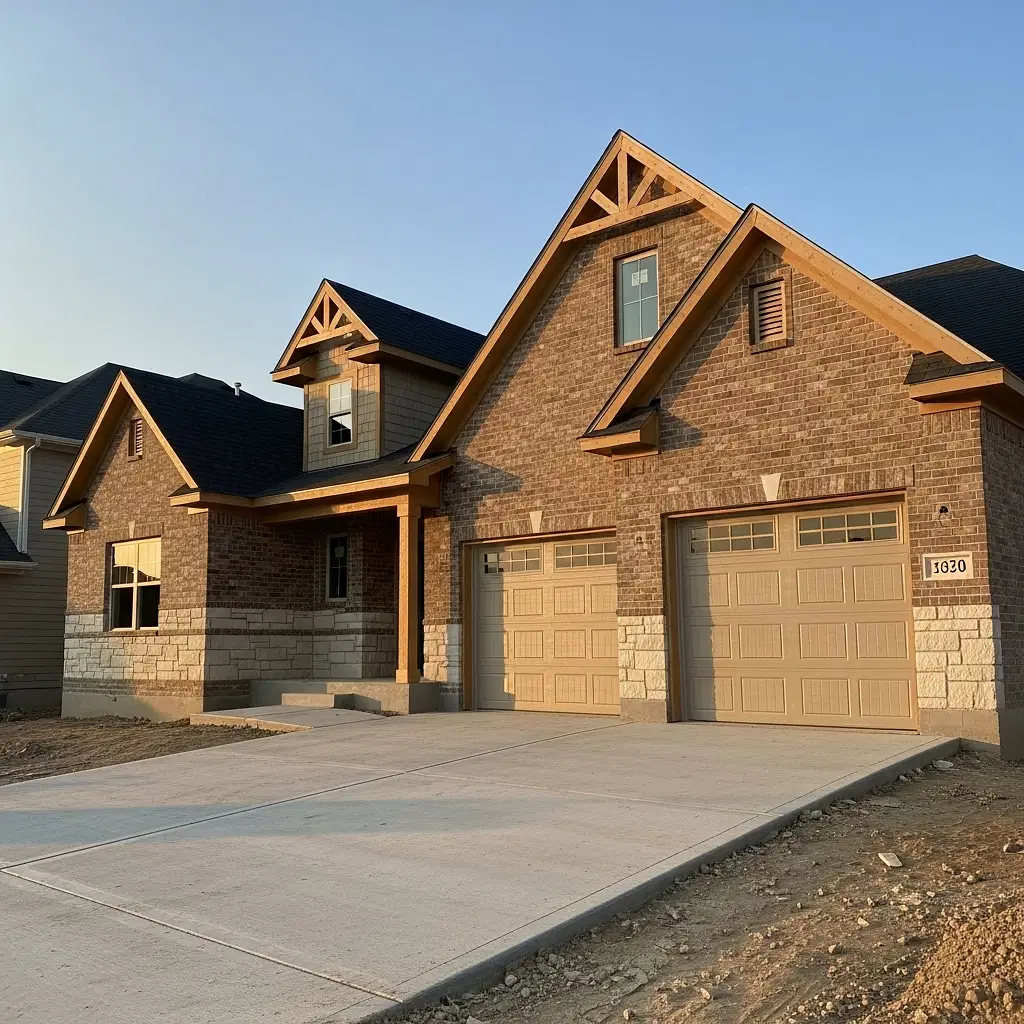
What is the Committee of Adjustment and Why Might You Need It?
Think of the Committee of Adjustment as a panel of citizen members appointed by City Council to make decisions on minor exceptions to zoning bylaws. Zoning bylaws are the rules that dictate what can be built on a property, covering everything from how tall a building can be to how far it must be set back from the property line. While these rules ensure orderly development, they can sometimes be too rigid for unique properties or specific renovation goals, especially with older housing stock like Toronto's many semi-detached homes on narrow lots.
This is where a minor variance application comes in. It’s a formal request for a small deviation from the bylaw. You might need to apply for a minor variance if your home addition plans, for example:
- Extend slightly closer to your property line than the bylaw permits.
- Result in a total lot coverage that is a fraction over the allowed percentage.
- Include a design feature, like a covered porch or a dormer, that infringes on a required setback.
- Propose a building height that is marginally taller than the maximum limit.
The key word here is "minor." The Committee is there to provide flexibility for small adjustments, not to approve projects that completely disregard the zoning regulations.
The Four Tests: How the Committee Evaluates Your Application
To get a minor variance approved, your application must satisfy four specific criteria, often referred to as "the four tests." The Committee will assess your project to determine if it meets these standards. Understanding them can help you and your team build a stronger case.
- Is the variance minor? This is about more than just numbers. The Committee looks at the overall impact. Will your proposed change negatively affect your neighbours or the character of the street? A small numerical change with a big impact may not be considered "minor."
- Is it desirable for the appropriate development of the land? Does the proposed change make sense for your property? For example, does it allow for a more functional or aesthetically pleasing home without compromising the neighbourhood?
- Does it maintain the general intent of the Official Plan? Toronto's Official Plan is a high-level document guiding the city's long-term growth. Your project must align with the broad vision for your neighbourhood (e.g., maintaining its residential character).
- Does it maintain the general intent of the Zoning By-law? While you are asking for an exception to a specific rule, your project must still respect the overall purpose of that rule. For instance, if a setback rule is meant to ensure adequate light and air between houses, your variance shouldn't completely eliminate that.
Presenting a clear argument that your project successfully meets all four tests is the foundation of a successful application.
How an Experienced General Contractor Makes the Difference
While you can navigate the Committee of Adjustment on your own, partnering with a seasoned professional offers a significant advantage. The process involves complex paperwork, strict deadlines, and a deep understanding of municipal regulations—all things that can add stress and potential delays to your project. An experienced contractor is essential for effective project management through this critical phase.
Here’s how the right team can help:
- Expert Guidance: A contractor with extensive experience in Toronto can often anticipate zoning issues at the design stage. They can work with your architect or designer to create plans that either comply with the bylaws from the start or are well-positioned for a successful minor variance application.
- Professional Network: Established contractors have strong relationships with architects, designers, and planning consultants who specialize in preparing and presenting compelling applications to the Committee.
- Stress-Free Process: Your contractor manages the entire submission process, from ensuring all drawings and documents are correct to coordinating with city staff. This frees you from a significant administrative burden and reduces the risk of errors that could delay your project.
- Realistic Timelines: A professional will build the Committee of Adjustment process into your overall project timeline. They understand the waiting periods for hearings and decisions, ensuring your expectations are realistic from day one.
Ultimately, a great contractor doesn't just build your addition; they build the path to getting it approved.
Build Your Dream Addition with Confidence
Encountering a zoning bylaw conflict can be discouraging, but it doesn't have to be the end of your dream project. Toronto's Committee of Adjustment process exists to provide a pathway for well-designed projects that require a bit of flexibility. With a clear understanding of the four tests and the support of an experienced team, you can navigate the application with confidence.
At Hillpark Manor Construction, our expertise in general contracting includes guiding homeowners through the complexities of the permitting and approvals process. If you're planning a home addition in the Toronto area and want a partner who can manage every detail from concept to completion, we're here to help.
Ready to discuss your project? Contact us today to schedule a consultation and let's build your vision, the right way.